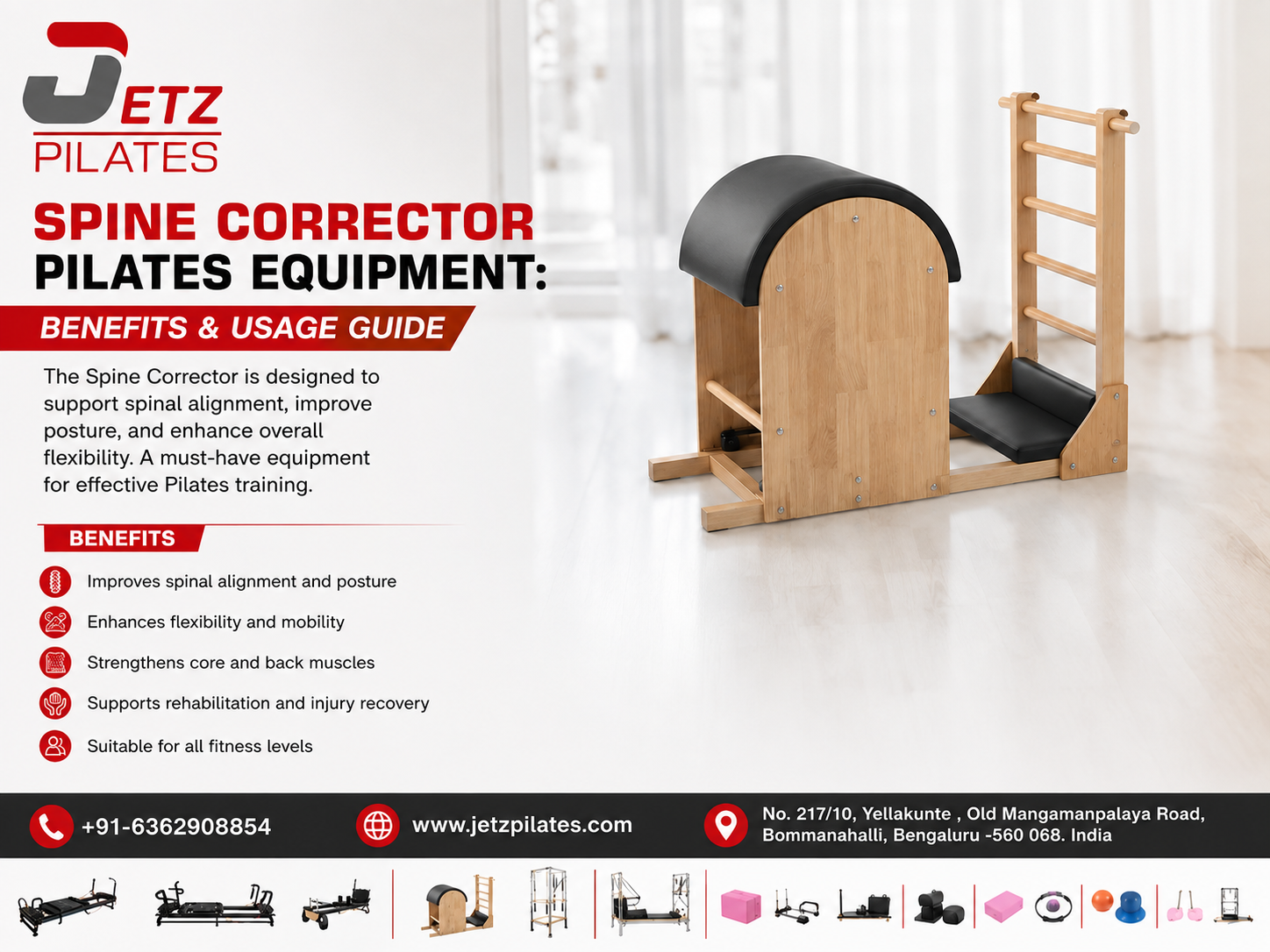
Welcome to the transformative world of barrel-based fitness. If you are looking to improve your posture and back health, you have come to the right place. Many people today struggle with desk-bound fatigue, making specialized tools essential for a balanced routine.
The market for spine-corrector Pilates in India has grown rapidly, reflecting a global shift toward mindful movement. This versatile equipment helps you lengthen your muscles and open your chest with ease. It is a game-changer for anyone wanting to feel more fluid in their daily life.
In this guide, we will explore how to use this tool effectively to support your wellness journey. You will learn simple techniques to build strength and flexibility from the comfort of your home. Get ready to feel taller, stronger, and more confident in your body.
Key Takeaways
- Discover how barrel equipment enhances spinal mobility and core stability.
- Learn why this gear is a top choice for modern fitness enthusiasts.
- Understand the growing popularity of specialized movement tools globally.
- Gain confidence in performing safe and effective back-strengthening exercises.
- Transform your daily posture through consistent and mindful practice.
Understanding the Anatomy and Purpose of the Spine Corrector
At the heart of every effective Pilates routine lies the unique geometry of the spine corrector. This specialized tool is engineered to mirror the natural curves of the human body, providing a stable platform for movement. Many practitioners find that using this Pilates barrel exercise equipment secondary to their primary routine significantly enhances their overall results.
The Design Philosophy of Pilates Barrels
The design philosophy behind these barrels centers on the balance between comfort and structural support. By utilizing high-density foam and a sturdy wooden base, the equipment ensures that users feel secure during complex movements. This thoughtful construction allows for a wide range of motion while maintaining the necessary stability for safe practice.
“The true genius of the spine corrector lies in its ability to meet the body exactly where it is, providing support that encourages natural alignment rather than forcing it.”
When you incorporate this gear into your sessions, you gain a versatile partner for your fitness journey. It is an excellent choice for those looking to expand their repertoire beyond simple floor work. The following table highlights the key features that make this equipment a must-have for any dedicated studio or home gym.
| Feature | Benefit | Material |
| Curved Surface | Spinal Support | High-Density Foam |
| Sturdy Base | Stability | Reinforced Wood |
| Compact Size | Portability | Lightweight Frame |
How the Arc Shape Supports Spinal Decompression
The arc shape is specifically crafted to support spinal decompression by gently encouraging the vertebrae to lengthen. As you drape your body over the curve, gravity assists in opening the chest and releasing tension held in the lower back. This mechanical advantage is why many instructors recommend this Pilates barrel exercise equipment secondary to standard reformer training.
By focusing on the natural curvature of the spine, the arc helps to counteract the effects of daily slouching. It creates a safe environment for extension exercises that might otherwise feel too intense on a flat surface. Consistent use of this tool helps users build a stronger, more flexible back through targeted, controlled movements.
Key Benefits for Spinal Alignment and Posture
Your spine serves as the central pillar of your body, and maintaining its natural alignment is essential for long-term wellness. When we neglect our posture, we often experience discomfort that radiates from the neck down to the lower back. Using a spine corrector provides the necessary support to gently guide your vertebrae back into their optimal positions.
Correcting Forward Head and Rounded Shoulder Posture
Many individuals suffer from “tech neck” or rounded shoulders due to hours spent hunched over computers or smartphones. This posture creates significant strain on the upper back muscles and restricts your breathing capacity. By lying on the arc, you allow gravity to gently open the chest, which encourages the shoulders to retract naturally.
This process helps to lengthen the tight muscles in the front of the body while strengthening the weakened muscles between the shoulder blades. Over time, this consistent practice helps you regain a more upright and confident stance. It is a simple yet effective way to reverse the damage caused by modern sedentary habits.
Enhancing Core Stability Through Targeted Alignment
True physical strength begins with a stable core, which acts as the anchor for all your movements. When your spine is properly aligned, your abdominal muscles can engage more efficiently during exercise. The arc provides a unique surface that challenges your balance, forcing your deep core stabilizers to work harder than they would on a flat floor.
“The spine is the key to your health; if your back is stiff at 30, you are old. If you are flexible at 60, you are young.”
Joseph Pilates
By focusing on targeted alignment, you create a solid foundation that protects your joints during daily activities. This increased stability reduces the risk of injury and improves your overall athletic performance. You will find that even simple movements become more controlled and fluid as your core strength improves.
The Role of the Spine Corrector in Pelvic Positioning
The pelvis acts as the base of the spine, and its position dictates the health of your entire back. Many people struggle with an anterior or posterior pelvic tilt, which can lead to chronic lower back pain. The curved design of the spine corrector helps you find a neutral pelvis by providing tactile feedback during your movements.
When you maintain a neutral position, you ensure that your spine remains in its natural, healthy curve. This alignment is crucial for preventing excessive pressure on the lumbar discs. The following table highlights how the equipment assists in various postural improvements:
| Postural Issue | Mechanism of Correction | Primary Benefit |
| Forward Head | Thoracic extension | Reduced neck strain |
| Rounded Shoulders | Chest opening | Improved lung capacity |
| Pelvic Tilt | Neutral spine support | Lower back pain relief |
| Weak Core | Instability challenge | Increased muscle engagement |
Essential Spine Corrector Exercises for Back Pain Relief
If you struggle with back pain, this guide offers practical ways to find relief using your equipment. Integrating specific movements into your daily routine can transform how you manage discomfort. These Pilates barrel exercise equipment secondary to your main workout provide a gentle way to restore natural movement patterns.
Gentle Extension Movements for Thoracic Mobility
Thoracic stiffness often contributes to chronic upper back pain. By placing your shoulder blades on the curve of the arc, you can safely open your chest and improve your posture. Consistent extension helps counteract the effects of sitting at a desk all day.
Focus on keeping your pelvis stable while you gently arch backward over the barrel. Breathe deeply into your ribcage to maximize the stretch. This simple motion is a cornerstone of any effective spine corrector exercise guide.
Side-Lying Stretches to Release Lumbar Tension
Lower back tightness often stems from restricted movement in the hips and obliques. Side-lying stretches allow you to target these areas with precision. By draping your torso over the side of the arc, you create space between your vertebrae.
This position is highly effective for releasing deep-seated tension in the lumbar region. Move slowly and maintain control throughout the stretch to ensure safety. You will likely feel an immediate sense of release as your muscles begin to relax.
Using the Arc for Supported Abdominal Strengthening
Building core power is essential for long-term spinal health. The arc provides a stable surface that supports your back while you engage your abdominal muscles. This makes it an ideal piece of back pain relief equipment for those who find floor-based crunches too strenuous.
Try performing slow, controlled curls while keeping your lower back pressed against the curve. This supported approach ensures that your core does the work without straining your spine. Strengthening your midsection will provide the necessary support to keep your back feeling strong and pain-free.
Navigating the Market for Spine Corrector Pilates India Options
Selecting the perfect gear involves balancing your specific needs with the quality of materials available today. When you search for a spine corrector Pilates India model, you will encounter a wide variety of designs and price points. Making an informed decision ensures that your investment supports your fitness goals for years to come.
Evaluating Material Quality and Foam Density
The longevity of your equipment depends heavily on the materials used during manufacturing. You should look for high-density foam that provides firm support without losing its shape after repeated use. A quality Pilates reformer machine will feature a durable, moisture-resistant cover that is easy to clean and maintain.
Avoid models that feel too soft or squishy, as they may not offer the necessary resistance for spinal decompression. Sturdy construction is essential for safety, especially when performing advanced extension movements. Always check the frame material to ensure it can withstand the pressure of daily workouts.
Portability Features for Small Studio Spaces
If you are working with limited floor space, portability becomes a primary concern. Many modern designs now prioritize lightweight frames that allow for easy storage between sessions. Look for handles or compact footprints that make moving the equipment simple and efficient.
Some models are designed to be stackable, which is a huge advantage for group classes or home studios. Choosing a portable unit does not mean you have to sacrifice stability. Modern engineering allows for lightweight yet robust designs that fit perfectly into any room.
Comparing Professional Grade vs. Entry-Level Models
Deciding between professional-grade and entry-level options often comes down to your frequency of use. Professional models are built for heavy-duty performance and constant studio traffic, featuring reinforced stitching and premium upholstery. These units are designed to last through thousands of repetitions.
Entry-level options are often more affordable and ideal for beginners who are just starting their practice. While they may use lighter materials, they still provide the essential functionality needed for effective spinal alignment. A well-chosen Pilates reformer machine will ultimately serve your body well, regardless of the specific tier you select.
Home Versus Studio Use: Making the Right Choice
Choosing between a home setup and a studio environment depends on your personal lifestyle and fitness goals. Whether you are a beginner or a seasoned practitioner, selecting the right location for your Pilates reformer machine is essential for consistency. Both options offer unique advantages that can help you reach your wellness milestones effectively.
Space Requirements for Home Practice
Creating a dedicated area for your practice at home requires careful planning to ensure safety. You should aim for a clear floor space that allows you to move freely without hitting furniture or walls. Adequate clearance is vital when performing extension exercises to prevent injury and maintain proper form.
Consider using a non-slip mat underneath your equipment to keep it stable during intense movements. If your living area is limited, look for lightweight models that can be easily tucked away in a closet after your session. This flexibility ensures that your home remains functional while supporting your health goals.
Integrating Equipment into Group Pilates Classes
Many enthusiasts enjoy the social energy found in local gyms and specialized studios. If you prefer group settings, check with your instructor about bringing your own gear to class. Using your personal equipment allows you to maintain consistent alignment and comfort throughout your training sessions.
Integrating your own tools can also help you master specific movements faster. By practicing with the same gear at home and in the studio, you build muscle memory more efficiently. Always ensure your equipment is portable enough to transport safely between locations.
Maintenance and Care for Longevity
Proper care is the secret to keeping your equipment in pristine condition for years. Regularly wipe down the surface of your Pilates reformer machine with a mild, non-abrasive cleaner to remove sweat and dust. This simple habit prevents the buildup of bacteria and keeps the upholstery looking fresh.
Inspect the frame and padding periodically for any signs of wear or loose components. Keeping your gear away from direct sunlight and extreme humidity will also extend its lifespan significantly. Following these steps ensures your investment remains a reliable partner in your fitness journey.
| Feature | Home Practice | Studio Environment |
| Convenience | High (Anytime access) | Moderate (Scheduled classes) |
| Social Interaction | None | High (Community support) |
| Equipment Storage | Owner responsibility | Provided by facility |
| Cost Efficiency | One-time investment | Ongoing membership fees |
Price Comparison and Budgeting for Your Equipment
Investing in your physical well-being requires a clear understanding of the market for back pain relief equipment. Finding the right tool for your needs does not have to break the bank, provided you know what features matter most to your routine.
Entry-Level Options for Beginners
If you are just starting your journey, you can find affordable models that offer essential support without unnecessary frills. These units are often lightweight and perfect for those testing the waters of Pilates at home. Simplicity is key when you are learning the basics of spinal alignment.
Mid-Range Equipment for Dedicated Enthusiasts
For those who practice daily, mid-range back pain relief equipment offers a significant upgrade in material quality. You will notice denser foam padding and more durable upholstery that withstands frequent use. These models provide the perfect balance between cost and long-term comfort for the dedicated user.
Premium Professional Studio Equipment Investment
Professional-grade gear is designed for heavy-duty use and longevity. While the initial cost is higher, these pieces are built to last for years in high-traffic environments. Investing in premium back pain relief equipment ensures that you receive the highest level of support and stability during your most challenging exercises.
| Category | Price Range | Best For | Durability |
| Entry-Level | $80 – $150 | Occasional Users | Moderate |
| Mid-Range | $160 – $300 | Daily Enthusiasts | High |
| Professional | $350+ | Studio Owners | Maximum |
Safety Guidelines and Best Practices for Beginners
Safety is the cornerstone of any effective Pilates practice, especially when incorporating specialized tools. Following a reliable spine corrector exercise guide helps you maintain proper form while protecting your joints. By focusing on controlled movements, you can enjoy the benefits of spinal decompression without unnecessary risk.
Proper Setup and Positioning on the Arc
Before you begin, ensure your equipment is placed on a non-slip surface to prevent shifting. Align your spine carefully along the curve of the arc, ensuring your pelvis is stable and your shoulders are relaxed. Proper placement is essential to avoid putting undue pressure on your lower back.
Always check that your feet are firmly planted or supported as required by the specific movement. If you feel unstable, adjust your position before attempting any repetitions. A steady foundation is the key to a successful spine corrector exercise guide experience.
Listening to Your Body During Extension Exercises
Extension movements are excellent for thoracic mobility, but they must be performed with caution. You should never push past your personal limits or force your body into a position that causes sharp pain. Listen to your body; if you feel discomfort, reduce the range of motion immediately.
Focus on lengthening your spine rather than just arching backward. Consistent, gentle practice is far more effective than aggressive stretching. Remember that your spine corrector exercise guide is meant to support your progress, not dictate a pace that feels wrong for your current fitness level.
When to Consult a Professional Instructor
While home practice is convenient, working with a certified instructor can provide invaluable feedback. If you are recovering from an injury or feel unsure about your technique, a professional can offer personalized adjustments. They ensure your form remains safe and effective throughout your entire routine.
Consider booking a session if you experience persistent soreness or if you are unsure how to modify exercises for your specific needs. Expert guidance helps you refine your practice and prevents the development of bad habits. Below is a quick reference table to help you maintain safety during your sessions.
| Safety Factor | Action Required | Goal |
| Equipment Stability | Check for non-slip mats | Prevent sliding |
| Body Alignment | Center spine on arc | Ensure even support |
| Pain Threshold | Stop at discomfort | Avoid injury |
| Professional Help | Consult an instructor | Improve technique |
Conclusion
The spine corrector stands out as a versatile tool for anyone seeking better posture and reduced back pain. Integrating this equipment into your daily routine builds core strength while promoting natural alignment.
Understanding the anatomy of your gear helps you move with confidence. You now possess the knowledge to select the right model from brands like Balanced Body or Peak Pilates. Making an informed choice ensures your fitness journey remains safe and productive.
Consistency drives long-term results for your physical health. Dedicate time each week to practice these movements with focus and care. Your body will reward your commitment with improved mobility and lasting comfort.
Share your progress with the Pilates community to stay motivated. Reach out to certified instructors if you need personalized guidance on your path to a stronger back. Start your practice today and embrace the benefits of a well-aligned spine.
FAQ
What exactly is a Pilates reformer machine, and how does it differ from a standard barrel?
A Pilates reformer machine, frequently referred to as a spine corrector or arc, features a specifically engineered curve designed to complement the natural anatomy of the human spine. While standard barrels come in various sizes, the spine corrector includes a specialized “step” or “well” that allows for deeper pelvic positioning and a wider range of Pilates barrel exercises secondary to your primary mat or Reformer routine. Leading brands like Balanced Body and Merrithew have perfected this design to facilitate both spinal decompression and core strengthening.
Can the spine corrector be used as effective back pain relief equipment for office workers?
Absolutely! It is one of the most highly recommended pieces of back pain relief equipment because it directly addresses the “slumped” posture caused by modern desk work. By utilizing the arc for gentle thoracic extension, users can effectively reverse rounded shoulders and forward head posture. Integrating these movements into your daily life helps release tension in the lumbar spine and opens up the chest for better breathing and alignment.
Is there a specific spine corrector exercise guide I should follow as a beginner?
Yes, it is essential to follow a structured spine corrector exercise guide to ensure you are moving safely. Beginners should start with foundational movements like the “Chest Opener” and “Arm Circles” to build mobility before progressing to more complex abdominal work. Many high-quality units, such as those from Elina Pilates, include instructional materials to help you master the proper setup and positioning right from the start.
How do I incorporate Pilates barrel exercises equipment secondary to my current gym routine?
You can easily integrate Pilates barrel exercise equipment secondary to your existing strength or cardio training by using the arc for your warm-up or cool-down. Using the curve for side-lying stretches or supported spinal extensions can improve your overall range of motion, making your heavy lifting or running sessions more efficient and less prone to injury.
What features should I look for when shopping for a Pilates reformer machine in the Indian market?
When navigating the spine corrector Pilates India landscape, prioritize material quality and foam density. You want a Pilates reformer machine that offers a firm, supportive surface that won’t compress too much over time. Additionally, consider portability; if you have a smaller home studio, look for lightweight models or those with integrated handles that make storage easy between sessions.
Should I consult a professional before using back pain relief equipment at home?
While the spine corrector is generally safe for home use, we always recommend consulting with a certified instructor perhaps through a reputable platform like Pilates Anytime if you have pre-existing spinal conditions. A professional can help you refine your form and ensure you are listening to your body’s signals, preventing you from overextending during your spine corrector exercise guide routines.