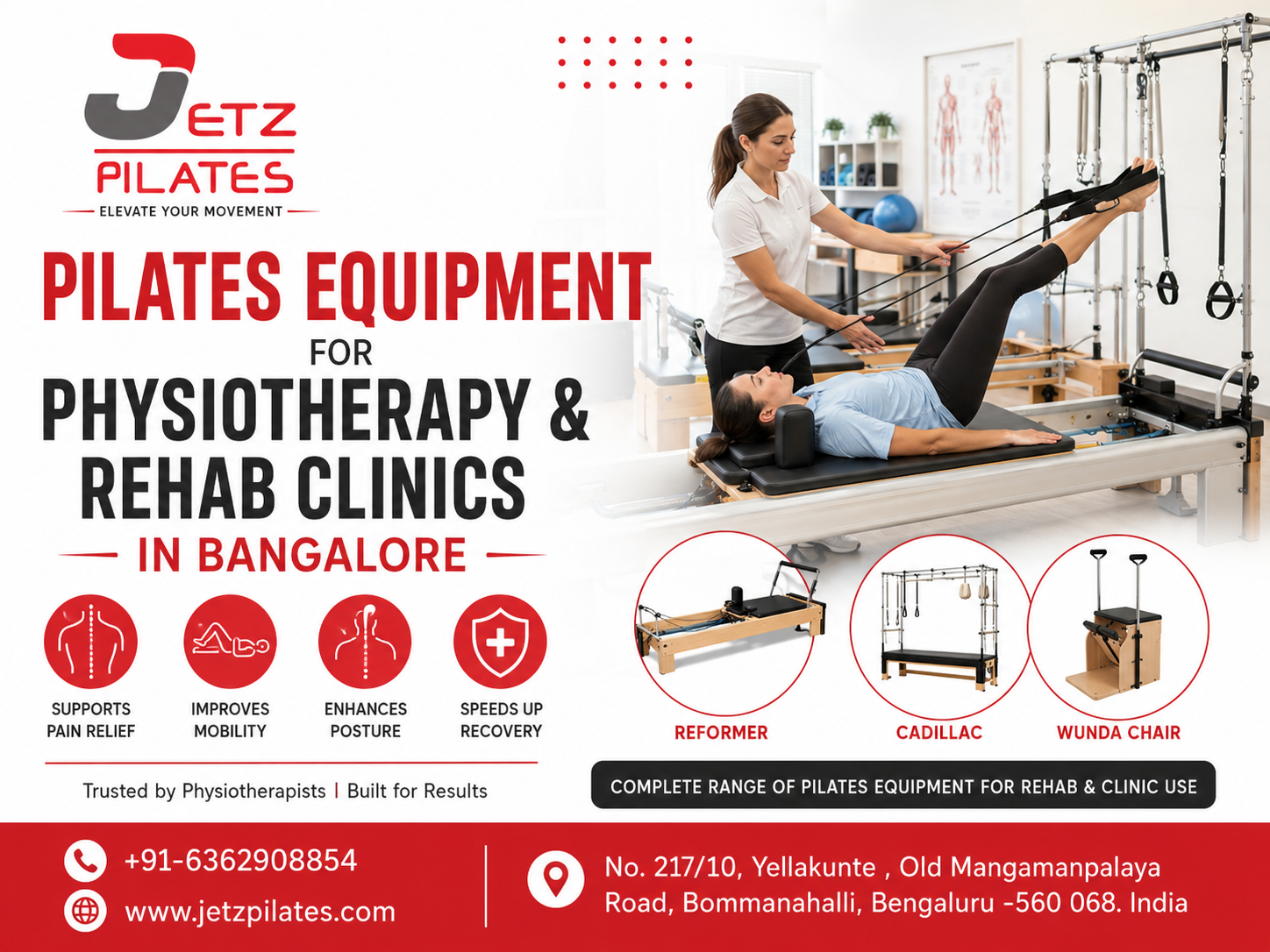
The healthcare landscape in Bangalore is evolving rapidly. Modern centers are moving beyond traditional methods to embrace a more holistic approach to patient recovery. By integrating specialized Pilates equipment for physiotherapy clinics, practitioners can now offer targeted solutions that improve long-term functional health.
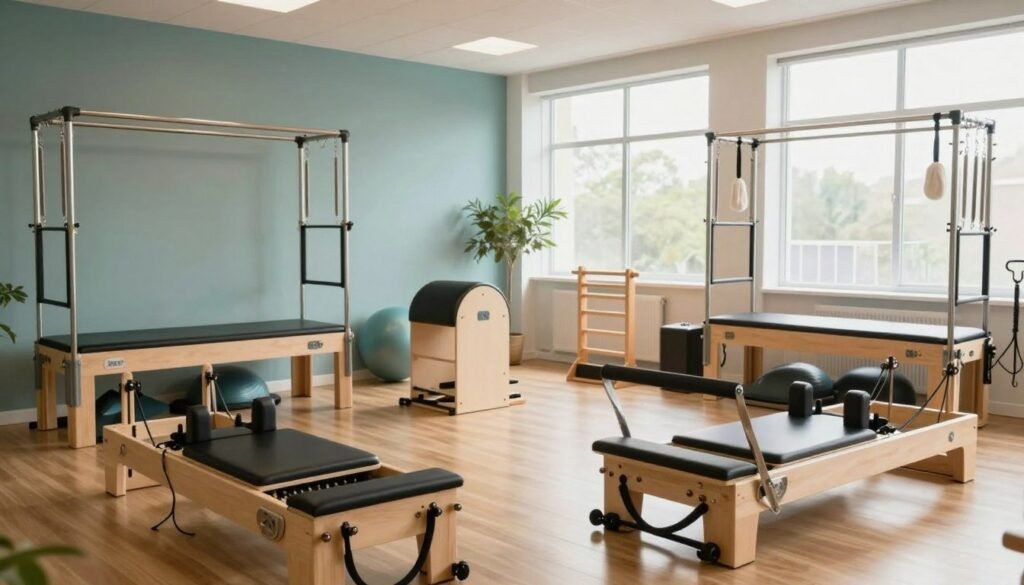
These high-quality tools allow therapists to design precise movements that support musculoskeletal healing. Whether a patient is recovering from a sports injury or managing chronic pain, these systems provide the stability and resistance needed for effective rehabilitation. Investing in professional-grade apparatus is a smart move for any forward-thinking facility in Bangalore.
By prioritizing advanced rehabilitation technology, your center can deliver superior care that truly changes lives. It is time to elevate your practice and provide the best possible support for your patients’ wellness journeys.
Key Takeaways
- Bangalore clinics are shifting toward holistic recovery models.
- Specialized apparatus enhances patient outcomes significantly.
- High-quality tools support both injury recovery and functional health.
- Modern centers gain a competitive edge through advanced technology.
- Investing in professional gear ensures long-term patient success.
The Clinical Benefits of Pilates in Rehabilitation
Pilates has evolved into a cornerstone of modern rehabilitation for patients dealing with chronic musculoskeletal issues. By moving beyond traditional physical therapy methods, practitioners can offer a more holistic approach to recovery. Investing in high-quality Pilates equipment for physiotherapy clinics allows therapists to create structured, evidence-based paths that restore function and improve quality of life.
Improving Core Stability and Postural Alignment
A primary goal in rehabilitation is the restoration of the body’s natural alignment. Targeted exercises focus on deep stabilizing muscles, which are often neglected in standard recovery programs. Consistent practice helps patients build a foundation that prevents future injuries and significantly reduces physical strain during daily activities.
- Enhanced spinal support through deep abdominal engagement.
- Correction of muscular imbalances that lead to chronic discomfort.
- Improved distribution of weight across joints to minimize wear and tear.
Neuromuscular Re-education and Pain Management
Neuromuscular re-education is essential for patients who have lost the ability to move without pain. By utilizing specialized Pilates equipment for physiotherapy clinics, therapists guide patients through controlled movement patterns. This process helps the brain “re-learn” how to activate muscles correctly, effectively managing chronic pain signals.
The following table highlights how this approach differs from traditional methods:
| Feature | Traditional Therapy | Pilates-Based Rehab |
| Focus | Isolated muscle strength | Integrated movement patterns |
| Equipment | Weights and bands | Spring-loaded resistance |
| Outcome | Symptom relief | Functional movement mastery |
Ultimately, the integration of these techniques provides a structured path to recovery. Patients gain confidence as they regain control over their bodies, ensuring long-term success. Choosing the right Pilates equipment for physiotherapy clinics is the first step toward achieving these superior clinical outcomes.
Essential Pilates Equipment for Physiotherapy Clinics
High-quality rehabilitation tools form the backbone of a successful physical therapy practice in Bangalore. When clinics invest in the right Pilates rehab equipment Bangalore professionals can offer more precise and effective treatment plans. These specialized tools allow therapists to guide patients through controlled movements that promote healing and strength.
The Versatility of the Clinical Reformer
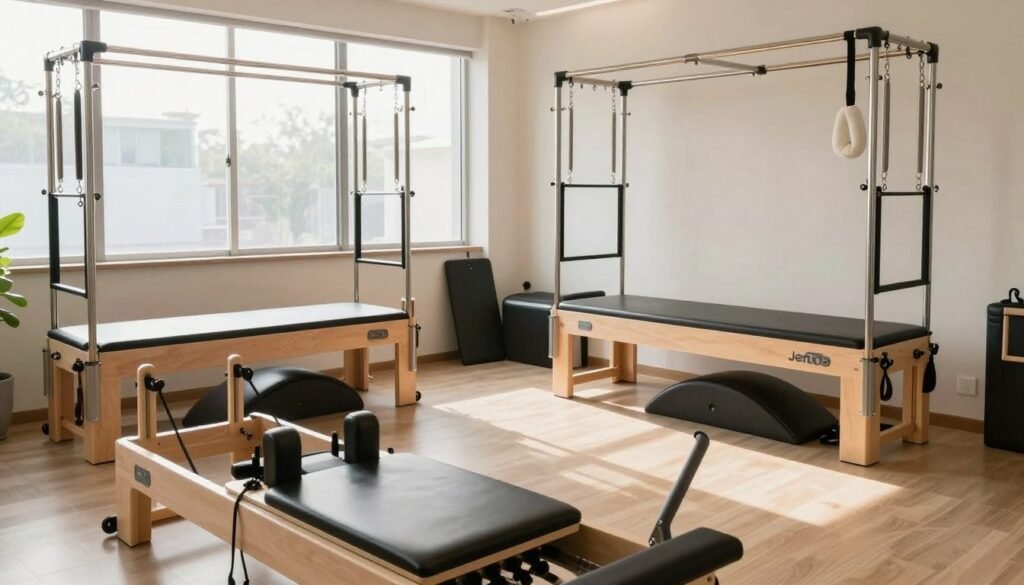
The physical therapy reformer stands out as the most important piece of equipment for any modern clinic. Its unique system of springs and pulleys provides adjustable resistance, which is perfect for patients at different stages of recovery. By offering both support and challenge, this device helps clinicians safely introduce movement to injured areas.
Adjustable resistance allows therapists to modify exercises based on a patient’s specific pain levels and mobility. This adaptability makes the reformer an essential asset for building core stability and improving overall postural alignment. It truly serves as the cornerstone for comprehensive rehabilitation programs.
Utilizing the Wunda Chair for Targeted Rehab
The Wunda chair is a compact yet powerful tool designed for focused rehabilitation. It is particularly effective for patients who need to work on targeted muscle groups while maintaining an upright or seated position. Because of its small footprint, it fits easily into busy clinics where space is at a premium.
Therapists often use the chair to challenge balance and coordination in a controlled environment. It is an excellent choice for those recovering from lower limb injuries or needing to improve functional strength. By incorporating this piece of Pilates rehab equipment Bangalore clinics can offer a more diverse range of therapeutic exercises.
Trapeze Tables for Advanced Mobility Exercises
Trapeze tables, often called Cadillac units, provide a stable platform for advanced mobility and strength training. These tables feature a variety of attachments, including bars and springs, that allow for a wide range of customizable movements. They are ideal for patients who require extra support during complex exercises.
Using a physical therapy reformer alongside a trapeze table creates a complete environment for patient progress. These tools ensure that even patients with limited mobility can participate in safe, effective training sessions. By prioritizing these essential pieces, clinics can significantly enhance their standard of care.
Ensuring Patient Safety Standards in Your Studio
Protecting your patients starts with a commitment to high-quality maintenance and hygiene. When you invest in Pilates rehab equipment in Bangalore, you are making a promise to provide a secure environment for recovery. Consistent oversight ensures that every session remains productive and risk-free for your clients.
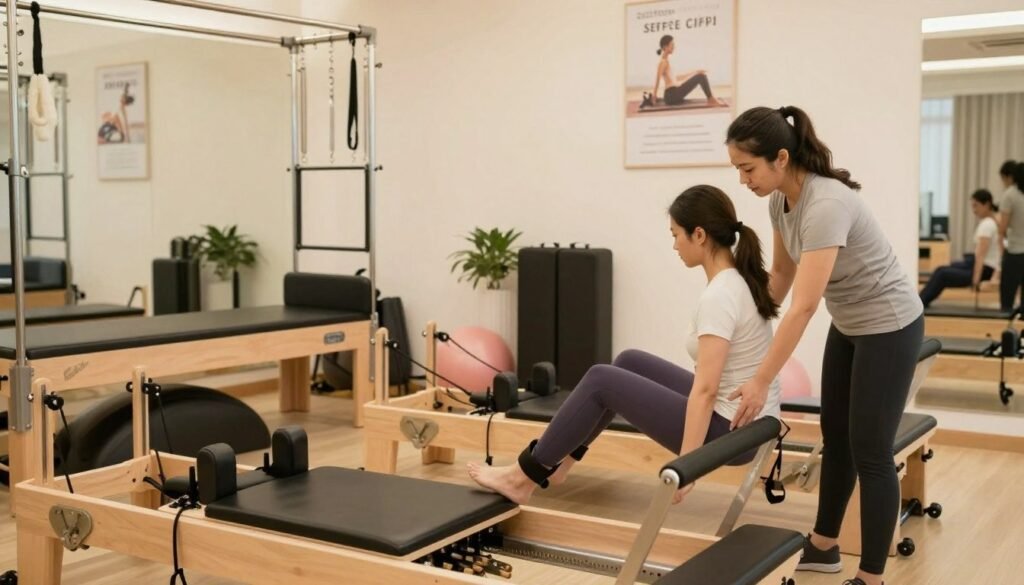
Equipment Maintenance and Inspection Protocols
A proactive approach to maintenance prevents mechanical failures before they occur. You should establish a routine schedule to inspect springs, ropes, and pulleys for signs of wear. Regular documentation of these checks helps you track the lifespan of your gear effectively.
- Perform daily visual inspections of all moving parts.
- Test spring tension weekly to ensure consistent resistance.
- Tighten all bolts and fasteners on a monthly basis.
Ergonomic Considerations for Diverse Patient Needs
Every patient arrives with unique physical requirements and mobility levels. Your studio layout must accommodate these differences to ensure comfort and accessibility. By choosing versatile Pilates rehab equipment in Bangalore, you can easily adjust settings to support individuals with varying degrees of strength or injury.
Weight Capacity and Structural Integrity
Understanding the structural limits of your apparatus is vital for long-term safety. Always verify the maximum weight capacity provided by the manufacturer for each reformer or chair. Structural integrity should never be compromised, so avoid using equipment that shows signs of frame fatigue or instability.
Sanitization Practices for Shared Clinical Spaces
Maintaining a hygienic environment is essential in a busy clinic. Shared surfaces require frequent cleaning to prevent the spread of germs between sessions. Use medical-grade, non-abrasive disinfectants that protect the upholstery while ensuring a clean space for every new patient.
Clinical Outcome Tracking and Data Management
Data management transforms subjective observations into clear, actionable clinical insights. When therapists utilize rehabilitation Pilates equipment, they generate a wealth of information that can guide long-term recovery. By capturing this data, clinics ensure that every movement serves a specific therapeutic purpose.
Integrating Digital Tools for Progress Monitoring
Modern clinics are increasingly adopting digital platforms to track patient milestones in real-time. These tools allow practitioners to log specific exercises performed on rehabilitation Pilates equipment, creating a visual timeline of recovery. Consistency is key when you want to demonstrate tangible improvements to both patients and referring physicians.
Digital integration also helps in identifying plateaus early in the treatment cycle. When data shows a lack of progress, therapists can quickly adjust the intensity or focus of the session. This proactive approach ensures that patients remain motivated and engaged throughout their healing journey.
Standardizing Assessment Metrics for Pilates Sessions
Standardization is essential for maintaining high-quality care across a busy clinic. By using uniform assessment metrics, every therapist can evaluate a patient’s range of motion and core strength using the same benchmarks. This evidence-based approach removes guesswork and fosters a culture of professional accountability.
Implementing these metrics requires a shared understanding of how to measure success during sessions involving rehabilitation with Pilates equipment. When all staff members follow the same protocols, the clinic provides a seamless experience for the patient. Ultimately, this level of precision builds deep trust and highlights the true efficacy of your rehabilitation programs.
Therapist Training Resources and Certification
Achieving professional excellence in a clinical setting requires a deep commitment to ongoing therapist education. When your team masters the use of rehabilitation Pilates equipment, they provide safer and more effective care for every patient. High standards of training ensure that staff members can handle complex cases with confidence and precision.
Recognized Certification Bodies for Clinical Pilates
Selecting the right certification body is the first step toward building a world-class rehabilitation team. Reputable organizations focus on the clinical application of movement, ensuring that therapists understand anatomy, pathology, and biomechanics. These programs validate that a practitioner can safely integrate specialized tools into a patient’s recovery plan.
“The true value of a clinical Pilates program lies in the therapist’s ability to bridge the gap between traditional physical therapy and functional movement training.”
It is vital to prioritize certifications that emphasize evidence-based practice. By choosing recognized bodies, you ensure your clinic maintains the highest safety standards while utilizing rehabilitation Pilates equipment effectively.
Continuing Education Opportunities in Bangalore
Bangalore offers a growing landscape for physical therapists looking to sharpen their skills. Local workshops and seminars provide hands-on experience with the latest rehabilitation Pilates equipment, allowing therapists to stay ahead of industry trends. Consistent learning helps your staff adapt to new research and refine their patient assessment techniques.
| Training Focus | Skill Level | Duration |
| Clinical Reformer Basics | Beginner | 2 Days |
| Advanced Rehab Protocols | Intermediate | 4 Days |
| Injury-Specific Programming | Advanced | 5 Days |
Investing in these educational pathways fosters a culture of growth within your clinic. When therapists engage in regular training, they bring fresh perspectives to patient care, ultimately improving long-term recovery outcomes. Continuous professional development remains the cornerstone of a successful and reputable physiotherapy practice.
Real-World Success: Case Studies from Bangalore Clinics
Real-world results demonstrate how a thoughtful clinical Pilates studio setup can change lives. Many rehabilitation centers across Bangalore have moved beyond traditional methods to embrace movement-based recovery. These clinics report higher patient satisfaction and faster return-to-work timelines.
Post-Operative Recovery Protocols
Following orthopedic surgery, the primary goal is to restore range of motion without compromising the surgical site. Practitioners often utilize a physical therapy reformer to provide controlled, low-impact resistance. This allows patients to engage muscles safely during the early stages of healing.
For instance, patients recovering from knee arthroscopy benefit from specific closed-chain exercises. These movements help stabilize the joint while preventing muscle atrophy. By adjusting the spring tension, therapists can tailor the intensity to match the patient’s current recovery phase.
Managing Chronic Back Pain Through Pilates
Chronic back pain often stems from poor posture and weak deep-core stabilizers. A well-designed clinical Pilates studio setup provides the necessary tools to address these imbalances directly. Patients who previously struggled with persistent discomfort often find relief through targeted, consistent sessions.
The use of a physical therapy reformer is particularly effective for spinal decompression and alignment. By focusing on controlled breathing and precise movement, patients learn to support their spine during daily activities. This transition from clinical care to functional independence is a hallmark of successful rehabilitation.
- Improved core engagement for spinal support.
- Enhanced flexibility in the posterior chain.
- Reduced reliance on pain medication.
- Better awareness of body mechanics.
| Condition | Primary Tool | Outcome |
| Post-ACL Surgery | Reformer | Full Mobility |
| Lumbar Spondylosis | Wunda Chair | Pain Reduction |
| Chronic Sciatica | Trapeze Table | Nerve Relief |
These case studies highlight the transformative power of modern equipment in a clinical setting. When therapists combine expert knowledge with the right tools, the results speak for themselves. Patients gain the confidence to move freely and live without the constant burden of pain.
Conclusion
Modern physiotherapy demands a shift toward evidence-based movement practices. Investing in a professional clinical Pilates studio setup empowers your clinic to offer precise, measurable recovery paths for every patient.
Your commitment to high-quality equipment and staff expertise builds trust within the Bangalore healthcare community. Patients notice the difference when they experience a structured, safe, and data-backed rehabilitation environment.
Take the next step by auditing your current facility needs today. A well-planned clinical Pilates studio setup serves as a cornerstone for long-term patient wellness and clinic growth. Your dedication to these standards defines the future of physical therapy excellence.
Reach out to equipment providers like Balanced Body or Stott Pilates to explore options tailored to your space. Start transforming your practice into a hub for advanced recovery and movement health.
FAQ
Why is specialized Pilates rehab equipment Bangalore clinics use becoming a standard in patient care?
As the healthcare landscape in Bangalore evolves, clinics like PhysioBeats and Vardaan are recognizing that standard gym gear isn’t enough for medical recovery. Specialized Pilates rehab equipment Bangalore practitioners trust, such as high-carriage reformers, allows therapists to modify exercises for patients with significant mobility restrictions. This high-quality, clinical-grade apparatus ensures that the movement is therapeutic rather than just fitness-oriented, leading to much better long-term functional health outcomes.
How does a physical therapy reformer differ from a standard fitness reformer?
A physical therapy reformer, such as the Balanced Body Clinical Reformer, is specifically designed with a higher profile to help patients who have difficulty sitting down or standing up from the floor. Unlike fitness models, these reformers offer a wider range of spring resistances, including very light tensions for early-stage post-operative work, and often include extra infinity footbars to accommodate various limb lengths and range-of-motion limitations.
What are the primary items needed for a comprehensive clinical Pilates studio setup?
A successful clinical Pilates studio setup should center around versatility and patient safety. The essentials usually include a clinical reformer, a trapeze table (Cadillac) for supported gravity-assisted movements, and a Wunda chair for functional weight-bearing exercises. Brands like Merrithew and STOTT PILATES offer medical-grade versions of these tools that are built to handle the rigorous sanitization and heavy use of a busy physiotherapy environment.
Can rehabilitation Pilates equipment help with chronic neuromuscular pain management?
Absolutely! Rehabilitation Pilates equipment is designed to facilitate neuromuscular re-education, which is the process of retraining the brain and muscles to work together efficiently. By using the adjustable spring resistance of a reformer or tower, patients can perform controlled movements that reduce “guarding” behaviors and help manage chronic pain through improved postural alignment and core engagement.
How do Bangalore clinics ensure the safety and structural integrity of their apparatus?
Maintaining high safety standards is vital. Most top-tier clinics implement strict inspection protocols, checking for spring fatigue and carriage alignment weekly. Because clinical spaces handle a diverse range of patients, choosing equipment with a high weight capacity and professional-grade upholstery is essential. Furthermore, following the sanitization guidelines recommended by manufacturers like Balanced Body ensures a hygienic environment for every patient.
What certification should a physiotherapist look for to teach clinical Pilates?
It is highly recommended that therapists seek out certifications from internationally recognized bodies such as Polestar Pilates, STOTT PILATES, or APPI (The Australian Physiotherapy & Pilates Institute). These organizations offer specific tracks for healthcare professionals, focusing on pathology and clinical reasoning. In Bangalore, many therapists attend continuing education workshops to stay updated on the latest research-backed movement protocols.
Is Pilates equipment effective for post-operative recovery, such as ACL or spinal surgery?
Yes, it is incredibly effective. Using a physical therapy reformer allows for early mobilization in a controlled, low-impact environment. Therapists can precisely monitor the load on the healing tissues, gradually increasing resistance as the patient progresses. Real-world case studies from clinics across India show that patients using Pilates-based rehab often regain their range of motion and functional strength faster than those using traditional protocols alone.