
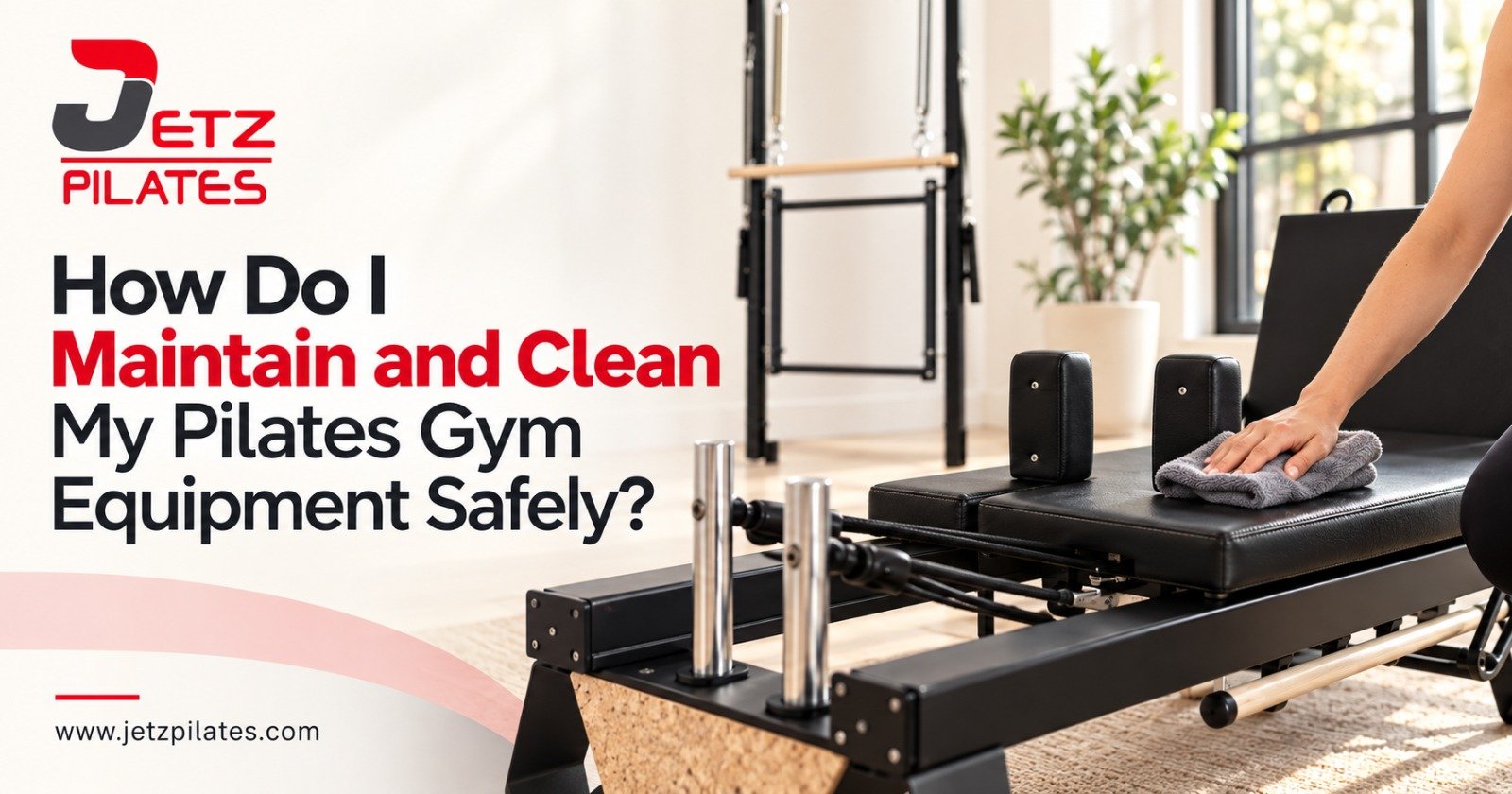
Have you ever wondered if your daily workout gear is hiding more than just sweat? Keeping your studio tools in top shape is essential for both your safety and the longevity of your investment.
Proper Pilates equipment maintenance goes beyond a quick wipe-down. It involves a consistent routine of cleaning, inspection, and timely care to ensure every spring and carriage bearing functions perfectly.
In this guide, we will walk you through a simple checklist for your daily, weekly, and monthly tasks. We cover everything from safe cleaning products for wood and vinyl to managing humidity levels in your home studio.
By mastering these Pilates equipment cleaning habits, you protect your body and your gear. Let’s dive into how you can keep your space pristine and safe for every session.
Key Takeaways
- Establish a consistent cleaning schedule to extend the life of your apparatus.
- Use only manufacturer-approved products to protect wood, leather, and vinyl surfaces.
- Perform regular spring inspections to prevent sudden mechanical failures during workouts.
- Monitor your local climate to prevent rust and material degradation.
- Know when to call a professional technician for complex repairs or deep servicing.
Why Pilates Equipment Maintenance Matters for Safety and Longevity
Your Pilates reformer is a precision machine that requires consistent attention to perform at its best. Implementing effective Pilates maintenance tips ensures that your investment remains in top condition while providing a safe environment for every user. Neglecting these tasks can lead to premature wear and potential safety risks during your practice.
How regular cleaning protects users and equipment
Sweat, body oils, and dust are the primary enemies of your apparatus. Over time, these substances accumulate on upholstery and frames, leading to material degradation or bacterial growth. Consistent Pilates machine care helps remove these contaminants, which prevents the leather or vinyl from cracking and keeps the metal components free from corrosive buildup.
Regular cleaning also allows you to spot minor issues before they become major problems. By wiping down contact points after every session, you maintain a hygienic space and extend the lifespan of your equipment significantly.
Common maintenance problems that affect reformers and Pilates apparatus
Even the most durable equipment can develop issues if left unattended. Common problems include loose hardware, frayed straps, and noisy carriage movement that disrupts your flow. You might also encounter rust on springs or misaligned components that affect the smooth operation of the machine.
- Loose hardware: Bolts and screws can vibrate loose over time.
- Worn straps: Fraying indicates a need for immediate replacement.
- Noisy wheels: Dust buildup in tracks often causes grinding sounds.
- Spring fatigue: Visible gaps or rust suggest the spring is no longer safe.
Safety precautions before cleaning, inspecting, or adjusting equipment
Before you begin any maintenance, always remove the equipment from service to prevent accidental injury. Consult the manufacturer’s manual for specific instructions, as different brands require unique cleaning agents for wood, metal, and upholstery. Never attempt to adjust tension or repair internal mechanisms while the machine is in use.
| Maintenance Aspect | Neglected State | Well-Maintained State |
| Upholstery | Cracked and stained | Supple and clean |
| Springs | Rusty and noisy | Smooth and silent |
| Hardware | Loose and rattling | Tight and secure |
| Carriage | Sticking or jerky | Gliding effortlessly |
Daily Pilates Equipment Cleaning and Safety Checklist
Establishing a consistent daily cleaning habit is the best way to protect your investment. When you learn how to clean Pilates reformer units properly, you ensure that every session remains hygienic and safe for all users.
Wipe high-touch surfaces after every session.
Every time you finish a workout, take a moment to wipe down the areas that come into direct contact with your skin. Use a soft, lint-free cloth dampened with a mild, non-abrasive cleaner. This simple step prevents the buildup of sweat and oils that can degrade materials over time.
Clean the carriage, footbar, headrest, ropes, and handles.
Focus your Pilates equipment cleaning efforts on the high-traffic zones. Gently wipe the carriage upholstery, the footbar, and the headrest with your cloth. Do not forget to inspect the ropes and handles, as these components accumulate residue from hands and feet during intense movements.
Check for loose hardware, unusual noises, and visible damage.
While you clean, perform a quick visual inspection of the entire apparatus. Listen for any unusual squeaks or rattles that might indicate a loose bolt or a misaligned part. If you notice frayed ropes or visible tears in the vinyl, address these issues immediately to prevent further wear.
Allow damp surfaces to dry before storing or using the equipment.
Never store your reformer while the surfaces are still wet. Moisture trapped in the upholstery or frame can lead to mold or material breakdown. Always allow the equipment to air dry completely before folding it away or starting your next session.
What to avoid when cleaning a Pilates reformer daily
It is vital to avoid common mistakes that could damage your machine. Never soak the equipment with water or use harsh chemical sprays directly on moving parts. Avoid using abrasive sponges that might scratch the wood or tear the vinyl cushions.
| Component | Action | Frequency |
| Upholstery | Wipe with mild cleaner | After every session |
| Footbar | Sanitize and dry | After every session |
| Hardware | Visual inspection | Daily |
| Ropes | Check for fraying | Daily |
Weekly and Monthly Pilates Equipment Maintenance Checklist
While daily cleaning is essential, your long-term Pilates gear maintenance strategy should include deeper weekly and monthly inspections. Establishing a consistent routine is the best way to ensure your gear remains safe and functional for years to come.
Weekly cleaning of upholstery, straps, springs, and frame joints
Every week, take time to perform a deeper clean of your equipment. Focus on the upholstery by wiping it down with a mild, non-abrasive soap solution to remove sweat and oils that can degrade the material over time.
- Inspect all straps for signs of fraying or thinning.
- Check springs for any early signs of oxidation or uneven tension.
- Tighten any visible frame joints to prevent wobbling during use.
Monthly inspection of bolts, pulleys, wheels, ropes, and footbar settings
Once a month, perform a comprehensive mechanical check. This is a critical part of Pilates equipment upkeep that ensures all moving parts operate smoothly and safely.
| Component | Action Required | Frequency |
| Bolts & Hardware | Check for tightness | Monthly |
| Pulleys & Wheels | Clean debris/dust | Monthly |
| Ropes | Inspect for fraying | Monthly |
Documenting wear, repairs, and recurring equipment issues
Keeping a maintenance log is a professional habit that pays off. By recording dates, observed wear, and completed repairs, you can identify patterns before they become major safety hazards.
“An ounce of prevention is worth a pound of cure when it comes to the mechanical integrity of your fitness apparatus.”
Maintenance tasks for home users versus Pilates studios
The intensity of your maintenance schedule depends on your usage volume. Home users may only need a quick monthly review, while busy studios require a more formal, documented approach to ensure client safety.
Studios should maintain a rigorous logbook for every piece of equipment. This practice not only protects your investment but also provides peace of mind for your instructors and clients alike.
Safe Cleaning Products for Wood, Leather, and Vinyl Equipment
Proper maintenance of your Pilates gear starts with understanding how to clean wood, leather, and vinyl surfaces. Each material reacts differently to chemicals, so using the wrong solution can lead to premature wear or permanent damage. By maintaining Pilates apparatus with the correct supplies, you ensure a safe and hygienic environment for every user.
How to clean Pilates reformer wood frames safely
Wood frames add beauty to your studio, but they require gentle care to maintain their finish. Consistent Pilates gear upkeep prevents the wood from drying out or losing its luster over time.
Suitable products for sealed wood surfaces
For most modern reformers, a soft, lint-free cloth lightly dampened with a mixture of mild soap and water is sufficient. You should always wipe the frame dry immediately after cleaning to prevent moisture from seeping into the wood grain. If your manufacturer recommends a specific wood polish, apply it sparingly to keep the surface protected.
Products and techniques that can damage wood finishes
Avoid using harsh chemical solvents, bleach, or ammonia-based cleaners on wood frames. These substances can strip the protective sealant and cause the wood to crack or discolor. Furthermore, never use abrasive scouring pads, as they will leave permanent scratches on the finish.
How to clean leather upholstery without drying or cracking it
Genuine leather requires specialized attention to stay supple and comfortable. If you neglect this material, it will eventually become brittle and prone to tearing under the pressure of daily use.
Using a mild leather cleaner and conditioner correctly
Always choose a pH-balanced leather cleaner designed specifically for furniture. Apply the cleaner to a soft cloth rather than spraying it directly onto the upholstery to prevent saturation. Follow up with a high-quality leather conditioner to keep the material hydrated and resistant to cracking.
How to clean vinyl cushions, pads, and contact surfaces
Vinyl is a durable material, but it is still susceptible to damage from strong chemicals. When maintaining Pilates apparatus, focus on gentle disinfection to keep contact surfaces sanitary without degrading the vinyl’s integrity.
Choosing a mild, non-abrasive disinfectant for vinyl
Select a non-abrasive, alcohol-free disinfectant to wipe down your cushions and pads. Harsh disinfectants can cause the vinyl to harden or become sticky over time. Always test your cleaning product on a small, inconspicuous area before applying it to the entire surface.
Safe application methods for sprays, cloths, and disinfectants
The way you apply your cleaning products is just as important as the products themselves. Follow these best practices to protect your equipment:
- Never spray directly: Always apply cleaners to a cloth first to avoid flooding joints or hardware.
- Use lint-free cloths: Microfiber cloths are ideal for preventing debris buildup.
- Allow for drying: Ensure all surfaces are completely dry before allowing a client to use the equipment.
By following these guidelines, you ensure that your Pilates gear upkeep routine remains effective and safe for years to come.
Inspecting and Caring for Pilates Reformer Springs
Proper care of your reformer springs is a critical component of effective Pilates equipment maintenance. These springs provide the resistance that defines your workout, making their structural integrity vital for both performance and user safety.
How to inspect springs for rust, stretching, gaps, and deformation
You should perform a visual inspection of your springs at least once a week. Look closely for any signs of rust or oxidation, which can weaken the metal over time. Check for gaps between the coils, as these indicate that the spring has lost its original tension and is becoming overstretched.
Additionally, look for any signs of deformation or uneven coils. If a spring looks bent or fails to retract fully to its resting position, it is time to take it out of service immediately.
Checking spring hooks, attachment points, and spring storage positions
The hooks at the end of each spring are high-stress areas that require your attention. Ensure that the hooks are not bent, cracked, or showing signs of metal fatigue. You should also verify that the attachment points on the reformer frame remain secure and free of debris.
Always store your springs in the position recommended by the manufacturer when the machine is not in use. Following these Pilates maintenance tips helps prevent unnecessary strain on the hardware and keeps the springs ready for your next session.
Why damaged or overstretched springs should not be repaired at home
Never attempt to bend, modify, or repair a damaged spring yourself. Home repairs often lead to unpredictable resistance changes that can cause the spring to snap during use. Sudden failure of a spring while under tension poses a significant risk of injury to the user.
When to replace springs according to condition and manufacturer guidance
Replacement is necessary if you notice any visible damage, such as deep rust or permanent stretching. Most manufacturers suggest replacing springs every one to two years, depending on the frequency of use in your studio or home. If you are ever in doubt, consult a qualified technician to evaluate the tension and safety of your current set.
Keeping springs dry and protected from sweat and humidity
Moisture is the primary enemy of metal components. Always wipe down your springs with a dry cloth after every workout to remove sweat and prevent corrosion. In humid environments, consider using a dehumidifier in your workout space to protect the metal from long-term damage and ensure your Pilates maintenance tips remain effective.
Carriage Bearing, Wheel, Rope, and Pulley Care
The secret to a long-lasting Pilates practice lies in the quiet, hidden mechanics of your equipment. Consistent Pilates machine care ensures that every glide remains smooth and silent, providing the resistance you need for an effective workout.
Removing dust and debris from carriage tracks and wheel channels
Over time, dust, hair, and small particles can settle into the carriage tracks. If left unchecked, these contaminants act like sandpaper, wearing down your wheels and creating an uneven feel.
Use a soft, dry cloth to wipe the tracks regularly. Be careful not to push debris deeper into the wheel channels, as this can cause long-term damage to the internal components.
Checking carriage bearings for rough movement, noise, or wobbling
Your carriage should glide effortlessly across the frame. If you notice rough movement, unusual grinding noises, or a slight wobble, it is time for a closer inspection.
These symptoms often indicate that a bearing is failing or that the wheel has developed a flat spot. Addressing these issues early is a vital part of maintaining Pilates apparatus to prevent further mechanical stress.
When lubrication is appropriate and when it can cause damage
Many users mistakenly believe that more lubricant is always better. In reality, applying oil or silicone spray incorrectly can attract more dust and grime, leading to a sticky buildup that ruins performance.
“Proper maintenance is not just about cleaning; it is about understanding the delicate balance of your machine’s moving parts.”
Following equipment-specific instructions before applying lubricant
Always consult your manufacturer’s manual before applying any product to your tracks or bearings. Some modern reformers feature self-lubricating wheels that require no external oil at all.
Using the wrong substance can void your warranty or cause the wheels to slip. Stick strictly to the recommended products provided by the brand to keep your system running safely.
Inspecting ropes, pulleys, straps, and buckles for fraying or wear
The ropes and straps are your primary connection to the machine. Inspect them weekly for signs of fraying, thinning, or cuts in the fabric.
Check your pulleys for smooth rotation and ensure that buckles are free of corrosion. If you spot any significant wear, replace the parts immediately to ensure your safety while maintaining the Pilates apparatus.
Protecting Pilates Equipment from Humidity and Climate in India
Maintaining your Pilates gear upkeep in tropical climates requires a unique approach to moisture control. High heat and seasonal monsoon humidity can significantly accelerate the natural wear of your apparatus. Understanding these environmental factors is the first step toward preserving your investment for years to come.
How heat and monsoon humidity affect wood, metal, leather, and vinyl
Excessive moisture often leads to wood warping or swelling, which can misalign the frame of your reformer. Metal components, including springs and bolts, are highly susceptible to rust when exposed to damp air for extended periods. Leather and vinyl upholstery may also suffer, becoming prone to mildew growth or cracking if the humidity levels remain consistently high.
Managing indoor moisture with ventilation, air conditioning, and dehumidifiers
Effective Pilates equipment upkeep relies on controlling the microclimate of your studio or home space. Using a dehumidifier is one of the most efficient ways to keep moisture levels within a safe range. Additionally, ensuring proper cross-ventilation or running air conditioning helps stabilize the air, preventing the stagnant humidity that damages sensitive materials.
“Consistent climate control is the silent partner in every successful equipment maintenance routine. By managing the air quality, you protect the structural integrity of your apparatus far better than cleaning alone.”
— Pilates Maintenance Expert
Keeping reformers away from damp walls, direct sunlight, and wet floors
Placement is critical when setting up your equipment in humid regions. Avoid positioning your reformer against exterior walls, which are often colder and more prone to condensation. You should also keep the unit away from direct sunlight, as UV rays can cause vinyl to become brittle and fade prematurely.
Always ensure the floor surface is dry and level. If you are in a basement or ground-floor area, consider using a moisture-resistant mat underneath the frame to provide an extra layer of protection against floor dampness.
Drying equipment after sweaty sessions in humid conditions
In humid weather, sweat does not evaporate quickly, which can lead to moisture buildup on your equipment. Always wipe down the carriage, headrest, and straps immediately after use with a soft, dry cloth. This simple habit prevents salt and moisture from settling into the seams of your upholstery.
Seasonal inspections before and during the monsoon
Preparation is key to surviving the rainy season without equipment damage. Perform a thorough check of all springs and hardware before the monsoon begins to ensure no rust has started to form. During the season, increase the frequency of your inspections to catch any signs of corrosion or material fatigue early.
| Material | Climate Risk | Preventative Action |
| Wood Frames | Warping/Swelling | Maintain consistent humidity |
| Metal Springs | Corrosion/Rust | Regular oiling and drying |
| Vinyl/Leather | Mildew/Cracking | Wipe dry after every use |
| Hardware | Loosening | Monthly bolt tightening |
When to Call a Professional for Pilates Equipment Service or Repair
Even the most well-maintained Pilates equipment eventually requires expert attention to ensure it remains safe for your clients. While daily cleaning prevents many issues, mechanical wear is a natural part of a machine’s lifecycle. Recognizing when to seek Pilates equipment service can prevent accidents and extend the life of your investment.
Warning signs that require immediate equipment removal from service
Safety must always be your top priority in a studio environment. You should immediately stop using any machine that displays signs of structural failure or mechanical instability. If you notice any of the following, tag the machine as “out of order” and restrict access until it is fixed:
- Broken or heavily kinked springs that show gaps or rust.
- Severe fraying on ropes or straps that could snap under tension.
- Unstable frames or loose structural hardware that causes wobbling.
- Sudden, grinding noises or resistance changes in the carriage movement.
- Damaged hooks or attachment points that no longer secure the springs properly.
Repairs are best handled by a qualified Pilates equipment technician
Some tasks go beyond basic maintenance and require specialized tools or training. Attempting complex Pilates equipment repair on your own can lead to further damage or safety hazards. You should contact a professional for the following tasks:
Complex mechanical work, such as replacing internal carriage bearings or repairing pulley systems, requires precision. Structural adjustments to the frame or footbar mechanisms also demand professional expertise to ensure the machine remains balanced and safe for all users.
How to prepare service information for faster professional support
To get the best results from your service provider, gather all necessary documentation before you reach out. Having clear information ready helps the technician diagnose the problem quickly and bring the right parts on their first visit.
| Information Needed | Why It Matters |
| Model & Serial Number | Ensures compatibility for parts. |
| Detailed Photos | Helps identify the specific damage. |
| Maintenance History | Shows if the issue is recurring. |
Questions to ask about inspections, replacement parts, and maintenance schedules
When you speak with a technician, ask clear questions to understand the scope of the work. You want to ensure that your equipment is restored to manufacturer standards. Consider asking the following:
- What is the full scope of your inspection process?
- Do you use original manufacturer-approved replacement parts?
- What is the estimated timeline for completing these repairs?
- Can you recommend a long-term maintenance schedule to prevent future issues?
Conclusion
Consistent care ensures your Pilates studio remains a safe space for every client. Reliable Pilates equipment maintenance combines simple daily habits with structured inspections to keep your apparatus in peak condition.
You protect your investment by using the right cleaning agents for wood, leather, and vinyl surfaces. Keeping springs, carriage wheels, and ropes free from debris prevents premature wear and ensures smooth performance during every session.
Monitor your gear for signs of fatigue or unusual noises. Stop using any component that shows damage to prevent accidents. You should prioritize safety by removing worn parts from service immediately.
Reach out for professional Pilates equipment service when repairs or technical adjustments exceed your routine tasks. Expert technicians from brands like Balanced Body or Peak Pilates provide the specialized support needed for complex mechanical issues.
Share your own maintenance tips or ask questions about specific gear care in the space below. Your commitment to equipment health supports a better experience for everyone in your studio.
FAQ
How should I handle daily Pilates equipment cleaning to ensure safety?
For effective Pilates equipment maintenance, you should wipe down all high-touch surfaces after every single session. This includes the carriage, footbar, headrest, and handles. Use a soft cloth dampened with a mild, non-abrasive cleaner to remove sweat and body oils. This simple Pilates machine care routine prevents the buildup of grime and protects the integrity of the upholstery.
What are the best products for maintaining Pilates apparatus made of wood and vinyl?
When looking at how to clean Pilates reformer frames made of wood, such as those from Balanced Body, use a slightly damp microfiber cloth and avoid harsh chemical solvents that can strip the finish. For vinyl cushions, a gentle, bleach-free disinfectant or a mixture of mild soap and water works best. Avoid using abrasive pads or “magic” sponges, as these can create micro-tears in the material.
Do you have any specific spring inspection tips for home users?
Absolutely. Part of your Pilates gear maintenance should involve a weekly check of all springs. Look for any visible gaps between coils, kinks, or signs of rust. If you use Merrithew or Gratz equipment, ensure the hooks are not deformed. If a spring looks overstretched or “wavy,” it is a major safety hazard. Remove it from service immediately and order a replacement.
What is the best way to handle carriage bearing care and track cleaning?
To keep your Pilates equipment upkeep on track, literally, you must keep the rails free of dust, hair, and debris. Use a dry cloth or a small vacuum to clean the wheel channels weekly. If the carriage feels bumpy, check the wheels for hair wrap. While it’s tempting to use WD-40, most manufacturers recommend avoiding spray lubricants unless specifically instructed, as they can attract more grit and damage the bearings.
How do I protect my gear in humid conditions, such as the Indian monsoon season?
A: Maintaining Pilates apparatus in humid climates requires extra vigilance. High moisture can lead to rust on springs and mold on leather. Use a dehumidifier or keep air conditioning running in your studio to manage indoor moisture. Ensure your reformers are placed away from damp walls, and always dry the equipment thoroughly after a sweaty session to prevent corrosion.
How often should I perform a deep Pilates equipment maintenance check?
We recommend following a daily/weekly/monthly cleaning checklist. While daily wipes are standard, you should do a deep dive once a month. This includes checking the tightness of every bolt, inspecting ropes and straps for fraying, and testing the pulley alignment. Keeping a log of these checks is a great Pilates maintenance tip for both home users and professional studio owners.
When is it time to call for professional Pilates equipment service?
You should seek professional Pilates equipment repair if you encounter structural issues you can’t solve, such as a wobbling frame or persistent grinding noises from the internal bearings, or if you need to replace major components like the footbar mechanism. Brands like Peak Pilates often have certified technicians who can perform a comprehensive safety audit to ensure your gear is performing at its best.
Are there specific Pilates gear upkeep steps for ropes and handles?
Yes! Ropes should be inspected for any signs of “pilling” or thinning. If you notice the outer sheath of the rope is worn through, replace it immediately to avoid a snap during a workout. For Pilates equipment cleaning of handles and loops, many can be hand-washed with a gentle detergent or replaced periodically to maintain hygiene and grip strength.